VNode ITeSBook

Delivery Capability Profile

A specialist delivery lead, evaluated against enterprise requirements.

A procurement-ready view of lead accountability, enterprise delivery fit, verified capability, quality controls, and the controlled-scale model used for partner and corporate learning programs.

Principal consulting accountabilityFrontier transformationAgentic AI architectureMicrosoft-certified training
Capability fit is confirmed against scope, learner level, delivery mode, and lab requirements before commitment.

Evaluation dossier

The lead capability and delivery model, in one review surface.

A first-pass decision view for vendors and enterprise L&D teams before dates, commercials, or onboarding commitments are discussed.

Lead accountability

Founder and Principal Consultant accountability keeps scoping, architecture, and delivery oversight connected.

Credentialed expertise

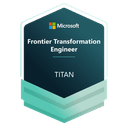
Frontier Transformation Engineer and Agentic AI Business Solutions Architect credentials, paired with Microsoft Certified Trainer delivery.

Best-fit engagements

Corporate cohorts, specialist workshops, applied labs, and partner-led enterprise programs.

Controlled scale

Additional trainers are aligned only after scope, quality, and supervision requirements are confirmed.

Controlled-scale commitment Additional trainers are aligned only when scope fit, quality expectations, and supervision requirements are clear.

Capability evidence

Coverage organized around real delivery decisions.

Each domain identifies platform coverage, suitable audiences, and the applied evidence used to evaluate delivery fit—without duplicating the broader partner capability matrix.

01

AI, Copilot, and agents

Coverage
Azure AI, Microsoft 365 Copilot, Copilot Studio, generative AI, RAG, and agent workflows.
Suitable audiences
Leaders, business users, developers, solution teams, and AI practitioners.
Applied evidence
Role-based programs, adoption workshops, governance scenarios, prompt practice, and applied labs.
02

Data, Fabric, and Databricks

Coverage
Microsoft Fabric, Power BI, data engineering, lakehouse patterns, Databricks, and AI/ML platforms.
Suitable audiences
Data engineers, analysts, architects, administrators, and platform teams.
Applied evidence
Pipeline, lakehouse, analytics, governance, and implementation-aligned lab delivery.
03

Azure, DevOps, and engineering AI

Coverage
Azure architecture, development, administration, DevOps, GitHub Copilot, and AI coding platforms.
Suitable audiences
Developers, cloud engineers, DevOps teams, architects, and technical leads.
Applied evidence
Secure engineering scenarios, repository practice, delivery workflows, and certification-aligned programs.
04

Power Platform and business applications

Coverage
Power Apps, Power Automate, Power Pages, Dataverse, Copilot Studio, and Dynamics 365.
Suitable audiences
Makers, functional consultants, business teams, and application delivery groups.
Applied evidence
Business-process scenarios, guided builds, automation labs, and role-aligned enablement.
Delivery formats
VirtualOn-siteHybridCorporate cohortsFocused workshopsBootcampsCertification-alignedCustom labs

Evaluation and quality control

Confirm fit before committing delivery.

The review route makes readiness visible and prevents availability alone from becoming the basis for trainer assignment.

01

Scope Review

Review the client context, technology area, learner profile, timing, and expected outcome.

Is the requirement defined well enough to evaluate fit?
02

Capability Match

Align subject depth, audience level, delivery format, and trainer capability to the requirement.

Is there a credible lead-delivery match?
03

Delivery Design

Confirm agenda depth, labs, customization, checkpoints, and the required oversight model.

What delivery design will support the intended outcome?
04

Onboarding Readiness

Validate dates, time zone, platform access, vendor requirements, communication, and escalation paths.

Can the engagement begin with clear ownership and controls?
Quality controls
  • Learner level and prerequisite validation before final agenda commitment
  • Lab and platform-access readiness confirmed before delivery
  • Trainer fit confirmed against scope rather than availability alone
  • Founder-led oversight for design quality and enterprise-facing delivery
  • Exceptions and substitutions reviewed before they are offered
What we need from reviewers
Client context
Industry, business objective, and program background
Learner profile
Roles, experience level, cohort size, and prerequisites
Dates and time zone
Preferred window, daily timing, and scheduling constraints
Delivery mode
Virtual, on-site, hybrid, workshop, cohort, or bootcamp
Expected outcomes
Skills, adoption, certification, or implementation objectives
Labs and onboarding
Environment, access, security, procurement, and vendor requirements

Evaluation outcome: fit, delivery design, and onboarding readiness are clear before dates and commercial scope are finalized.

Verified credentials

Evidence a reviewer can inspect directly.

These credential links are independently verifiable. The requested capability deck adds delivery context, formats, and requirement-specific fit.

Request-based evaluation pack

Receive the capability deck in the context of your requirement.

Share the client context, learner profile, dates, mode, outcomes, labs, and onboarding checklist. Fit is reviewed before commercial scope is discussed.
Request Capability DeckReview Partner DeliveryPartner inquiry workflow · no automatic trainer assignment